
Is the summer heat making your skin feel oily, dry, sensitive or congested? Discover how to adapt your skincare, protect your skin with SPF and choose professional treatments tailored to its changing needs.
When summer arrives, your skin may suddenly begin behaving very differently.
A routine that worked perfectly during the cooler months can start to feel too heavy. Products may sit on the surface of your skin, makeup may not last as well, and you may notice more congestion, breakouts, sensitivity or dehydration.
This does not necessarily mean that your skincare products have stopped working. More often, it means that your skin’s environment has changed—and your routine may need to change with it.
Hotter temperatures, increased perspiration, stronger sun exposure, air conditioning, travel and spending more time outdoors can all affect how your skin looks and feels. Some people become noticeably oilier, while others experience tightness, irritation or dry patches.
As a Skin Revisionist and Age Management specialist, I regularly receive messages from clients asking what they should do when their skin begins struggling in the heat.
The answer is not always to add more products. Sometimes, the most effective approach is to simplify, adjust and support the skin according to what it needs right now.
Why Does Your Skin Change During the Summer?
Heat and humidity can increase perspiration and oil production. When sweat, sebum, sunscreen, makeup and environmental debris accumulate on the skin, pores can become more easily congested.
You may notice:
Increased oiliness or shine
Blocked pores and blackheads
Breakouts around the forehead, chin or hairline
Redness and sensitivity
Dryness caused by air conditioning
Dehydrated skin that feels tight but still looks oily
Uneven texture
Pigmentation appearing darker after sun exposure
It is also possible for your skin to experience several of these concerns at the same time. For example, the surface may feel oily while the deeper layers remain dehydrated.
This is why copying someone else’s summer routine—or simply choosing products labelled “for oily skin”—may not resolve the problem.
Your routine should be based on how your own skin is functioning.
Your Skincare Routine Should Change with the Seasons
We change our clothes according to the weather, and our skincare may need the same seasonal adjustment.
A rich cream that protected your skin during winter may feel uncomfortable in July. A strong exfoliating routine that your skin tolerated previously may suddenly cause sensitivity when combined with increased sun exposure.
This does not mean that you need to replace everything you own. Small, considered changes can make a significant difference.
Depending on your skin, I may recommend:
Changing to a lighter moisturiser
Adjusting how frequently you exfoliate
Simplifying the number of active ingredients you use
Increasing hydration without adding heavy oils
Reviewing your cleanser
Introducing a suitable antioxidant product
Changing your sunscreen texture
Adding professional treatments to manage congestion or dehydration
Skincare should never be completely static. Your routine may need to evolve with the season, your hormones, your lifestyle and your skin’s current condition.
SPF Is the Foundation of a Summer Skincare Routine
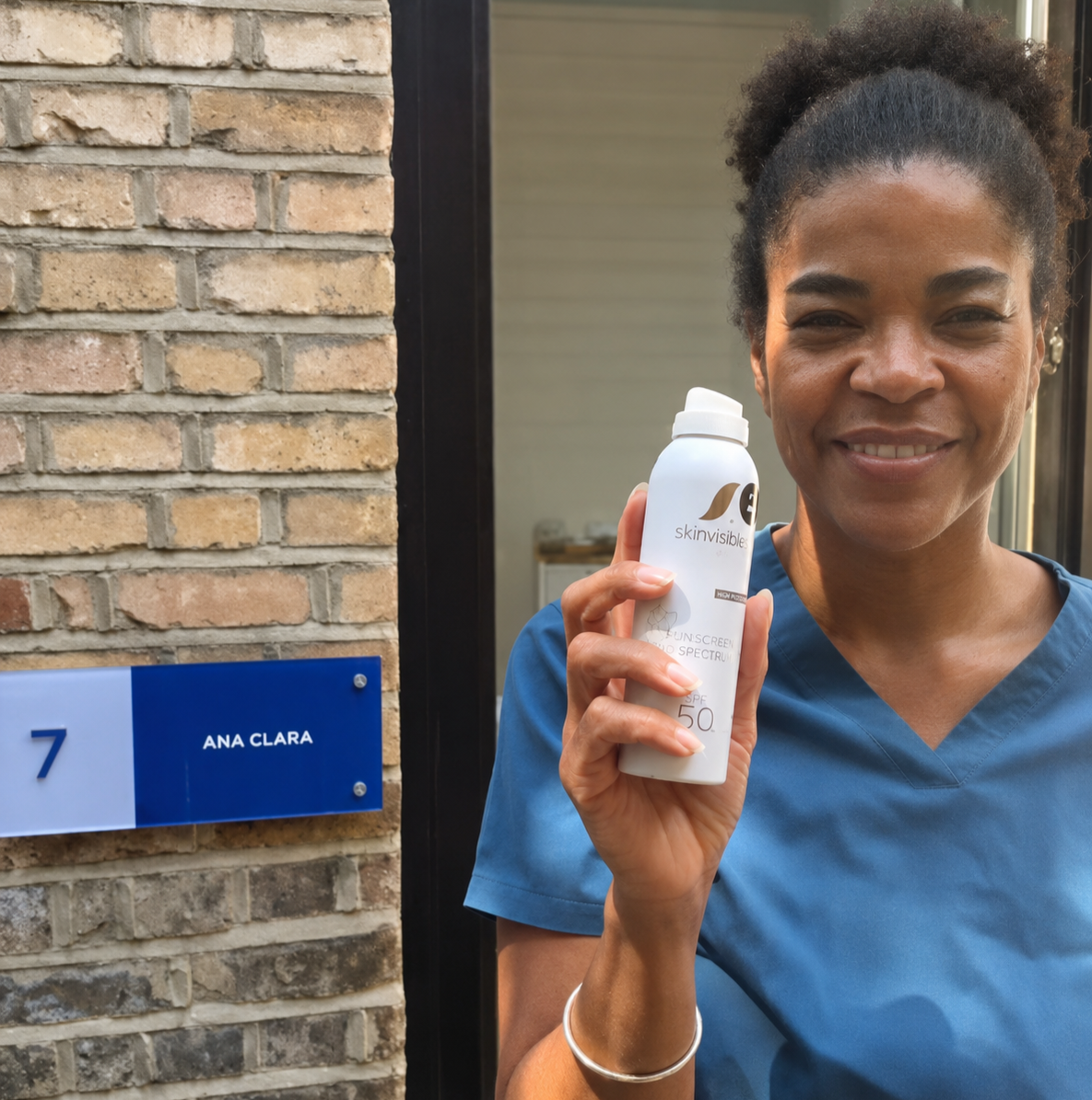
One of the most important parts of summer skincare is daily sun protection.
I often hear from clients who do not enjoy wearing sunscreen because they find it heavy, greasy or uncomfortable. However, avoiding SPF can undermine much of the work we are doing to improve pigmentation, ageing, sensitivity and overall skin health.
Sun exposure contributes to premature ageing, uneven pigmentation, inflammation and collagen breakdown. It can also make post-breakout marks appear darker and more persistent.
Your sunscreen should be broad-spectrum and suitable for your skin type. The best sunscreen is ultimately one that you are comfortable applying properly and consistently.
Apply it every morning as the final stage of your skincare routine, covering the face, neck, ears and any other exposed areas. Remember to reapply when spending extended periods outdoors, particularly after swimming, sweating or wiping your face.
If your current SPF feels too oily, causes congestion or does not work well beneath makeup, speak to me. There may be another formulation that suits your skin much better.
Skipping sunscreen is not the solution. Finding the correct sunscreen usually is.
Is Any Sun Exposure Beneficial?
Sunlight and daylight play an important role in general wellbeing, including supporting our natural body clock and sleep-wake cycle.
However, this does not mean that you need prolonged, unprotected exposure during the hottest part of the day.
A short period outdoors earlier in the morning, when the weather is cooler, can be a gentler way to enjoy daylight and fresh air. The intensity of UV radiation can still vary, so sun protection remains important—especially during the summer.
The aim is not to fear the sun. It is to enjoy time outdoors sensibly while protecting the skin from unnecessary damage.
Seek shade when the sun is strongest, wear a hat and protective clothing when appropriate, and avoid allowing the skin to burn.
Be Careful with Exfoliation During the Summer
Exfoliation can help improve congestion, uneven texture and dullness, but more exfoliation does not always mean better results.
Over-exfoliating can weaken the skin barrier, increase sensitivity and make the skin more reactive to heat, products and sun exposure.
If you are already using acids, retinoids, scrubs or exfoliating toners at home, it is important to understand how these products interact. Using several exfoliating products together can be too much, even when each product seems gentle on its own.
DMK offers professional exfoliation and skin revision options that can be selected according to the condition of the skin. The purpose is not simply to remove surface cells—it is to create a treatment plan that supports healthier-looking skin without unnecessarily overwhelming it.
Professional guidance is particularly important if you are experiencing pigmentation, active breakouts, sensitivity or a compromised skin barrier.
Professional Deep-Cleansing Treatments
When the skin feels congested, a professional deep-cleansing facial may be beneficial.
A DMK Skin Nutrition treatment can include cleansing, exfoliation and extractions, with the facial adapted according to the client’s skin condition. Additional elements may also be incorporated to upgrade the treatment and address concerns such as dehydration, congestion or dullness.
This is a more targeted approach than simply scrubbing the skin or repeatedly applying strong acids at home.
For clients who need a different level of treatment, an Anesi Lab facial may provide a gentler deep-cleansing and hydrating experience.
The treatment I recommend will depend on your skin, your sensitivity, your current routine and the results you would like to achieve.
Bio-Microneedling for Suitable Skin Concerns
Bio-microneedling may also be considered for suitable clients experiencing concerns such as uneven texture, congestion, post-breakout marks or dull-looking skin.
This treatment works differently from traditional mechanical microneedling and should always be selected following a professional skin assessment.
It is not automatically the correct treatment for every breakout or every skin type. Timing, aftercare, sun exposure and the current condition of the skin must all be considered.
This is why a consultation is so valuable. Rather than choosing a treatment because it is popular, we can determine whether it is genuinely appropriate for your skin.
The Role of Lymphatic Drainage in Your Facial
All of my facials include an element of lymphatic drainage, whether the treatment includes DMK Enzyme Therapy or not.
The lymphatic system plays an important role in removing excess fluid and supporting healthy circulation. Facial lymphatic drainage can help reduce the appearance of puffiness and leave the complexion looking fresher and more revitalised.
During the summer, when heat, travel, disrupted sleep and dehydration may contribute to facial puffiness, this can be a particularly valuable part of a treatment.
It also creates a moment to slow down, breathe and allow the nervous system to settle—something that benefits more than the appearance of the skin.
A Personalised Approach to Age Management
I have worked in skin and beauty for more than 20 years and specialise in Skin Revision and Age Management. I have also received two DMK Awards in recognition of my work.
Age Management is not about trying to erase every line or chasing unrealistic perfection.
It is about protecting the skin, preserving its function and helping it remain resilient as it changes over time.
That includes:
Supporting the skin barrier
Protecting collagen with daily SPF
Managing dehydration
Improving circulation
Addressing pigmentation
Treating congestion appropriately
Choosing treatments that work with the skin
Reviewing skincare as your needs change
Healthy-looking skin is not created by one expensive product or one intensive treatment. It comes from consistency, professional guidance and a routine that is appropriate for your skin.
When Should You Ask for Advice?
Please reach out if you are experiencing:
New or persistent breakouts
Increased sensitivity
Redness or irritation
Dryness or tightness
Excess oiliness
Congestion or blackheads
Darkening pigmentation
Difficulty choosing an SPF
Products that suddenly feel unsuitable
Uncertainty about which facial to book
You do not need to wait until your skin becomes severely irritated or congested before asking for help.
Sometimes a small adjustment to your cleanser, moisturiser, exfoliation schedule or sunscreen is enough to make your routine feel comfortable again.
Let’s Adapt Your Skincare for Summer
Your skin is constantly responding to your environment, and summer can place additional demands on it.
Rather than continuing with a routine that no longer feels right, take the opportunity to reassess what your skin needs.
We can adapt your home skincare, review your SPF and choose a professional treatment suited to concerns such as breakouts, dryness, sensitivity, congestion or uneven texture.
I am always happy to answer your questions.
Reach out via WhatsApp or email to discuss your skin, your current routine or the most appropriate facial for you.